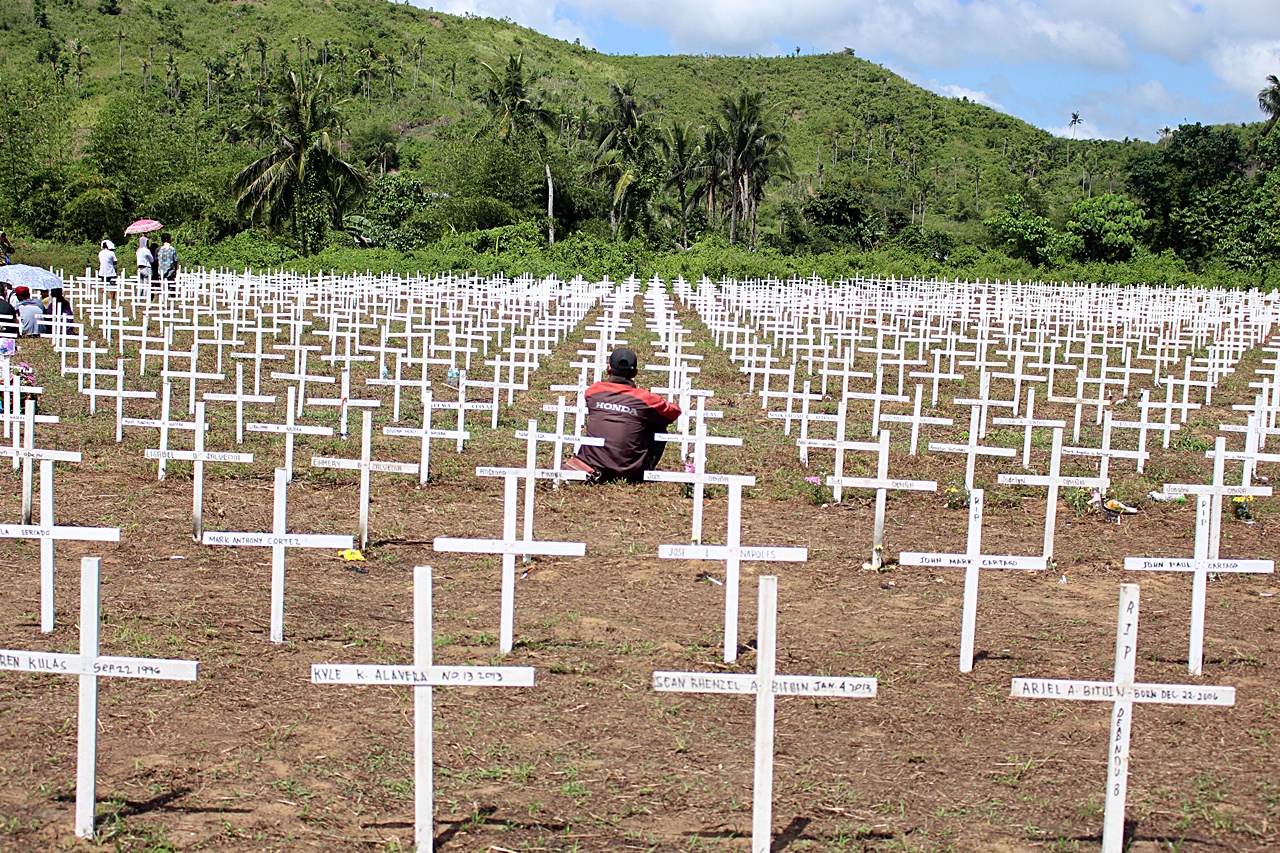
For nearly 13 years, families of people who died during Super Typhoon Yolanda have lived with a painful uncertainty: knowing their loved ones were gone, but not knowing exactly where they were buried.
Now, a development in the identification process may bring some families closer to an answer.
The National Bureau of Investigation (NBI) has completed DNA analysis for 90 percent of the more than 2,200 Yolanda victims buried at Holy Cross Memorial Park in Barangay Basper, Tacloban City, according to an October 28 report by the Philippine News Agency.
NBI Eastern Visayas Regional Director Jeremy Lotoc said the results are expected to be turned over to Mayor Alfred Romualdez for distribution to surviving families before the disaster’s 13th anniversary on November 8. The work aims to help establish the victims’ identities and locate their burial places.
Why identification has been difficult
Yolanda’s devastation on November 8, 2013, created an enormous challenge for those recovering, documenting, and identifying the dead.
A study published in the World Health Organization’s Western Pacific Surveillance and Response journal provides a glimpse of those difficulties. A Department of Health team examined 128 bodies in Tacloban on November 20 and 21, 2013. Most were already decomposed, and 89 percent remained unidentified during that processing.
Those findings describe only the bodies examined by that particular team—not all Yolanda victims—but illustrate the conditions confronting responders. The study also identified the absence of a common database and a shared identification procedure among responding agencies as obstacles.
Identifying disaster victims requires more than placing names on grave markers. Information about the deceased must be carefully documented and compared with records or other identifying information about missing people. The same study emphasized the importance of organized missing-person lists and information collected from before a person’s death.
Work remains unfinished
According to the PNA report, Lotoc said additional specimens are needed for the remaining 10 percent of victims. He also acknowledged earlier delays associated with DNA testing being available only at the NBI’s central office in Manila.
The effort has a personal dimension for the regional director: Lotoc, a resident of Sagkahan in Tacloban, lost his wife and father during Yolanda. He said identification work would also cover victims buried in nearby Palo and Tanauan.
The expected release of results is therefore a significant step, while the identification effort remains incomplete.
Dignity for the dead, answers for the living
The International Committee of the Red Cross emphasizes that respectful recovery, documentation, and storage of human remains help preserve information needed for identification. These practices also help families learn what happened to missing loved ones. Its guidance draws partly on lessons from the Yolanda response.
For Tacloban, the latest development also raises practical questions: How will families receive and understand the results? How will confirmed identities be linked to burial records and grave markers? What assistance will be available to families whose loved ones remain unidentified?
These are questions that follow the laboratory work and deserve clear public answers.
As November 8 approaches, the prospect of restoring names to unidentified graves carries a meaning beyond the anniversary.
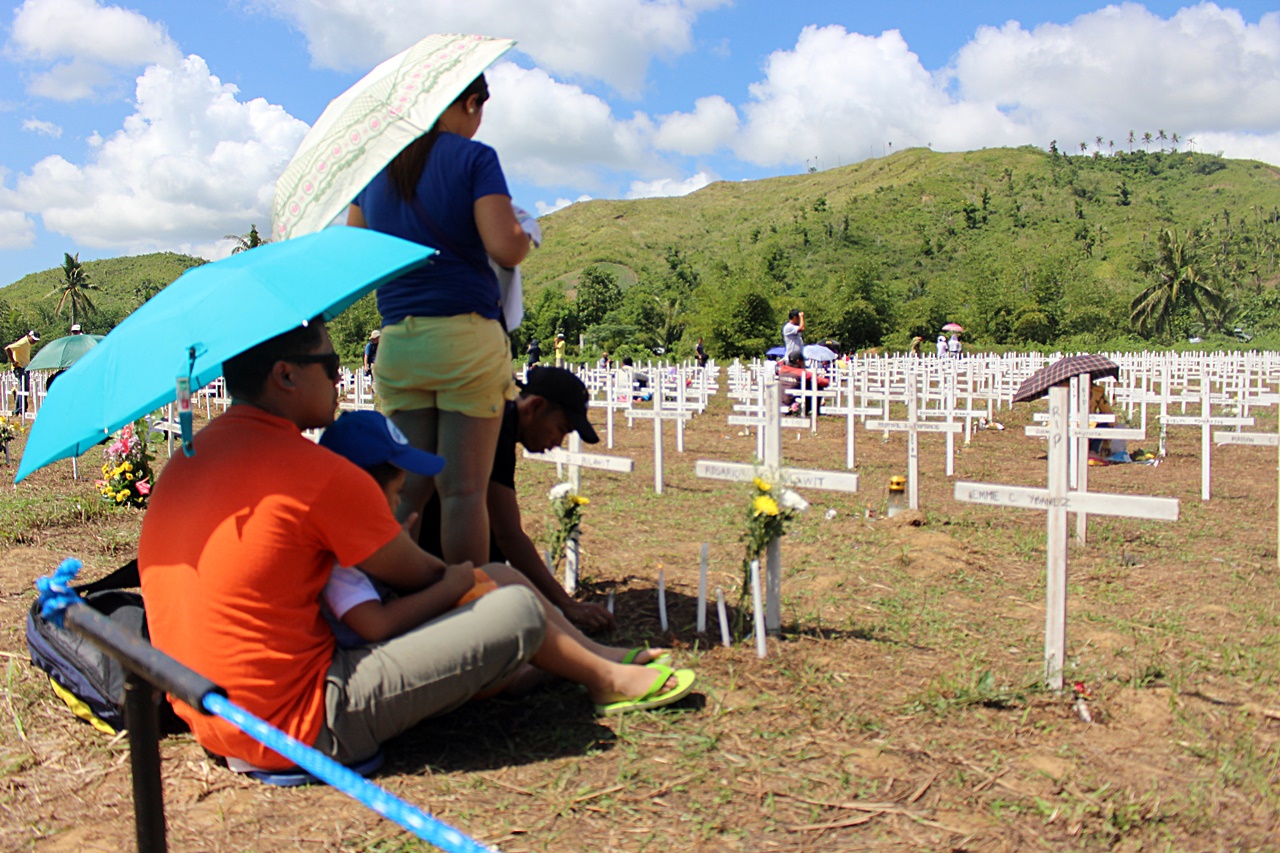
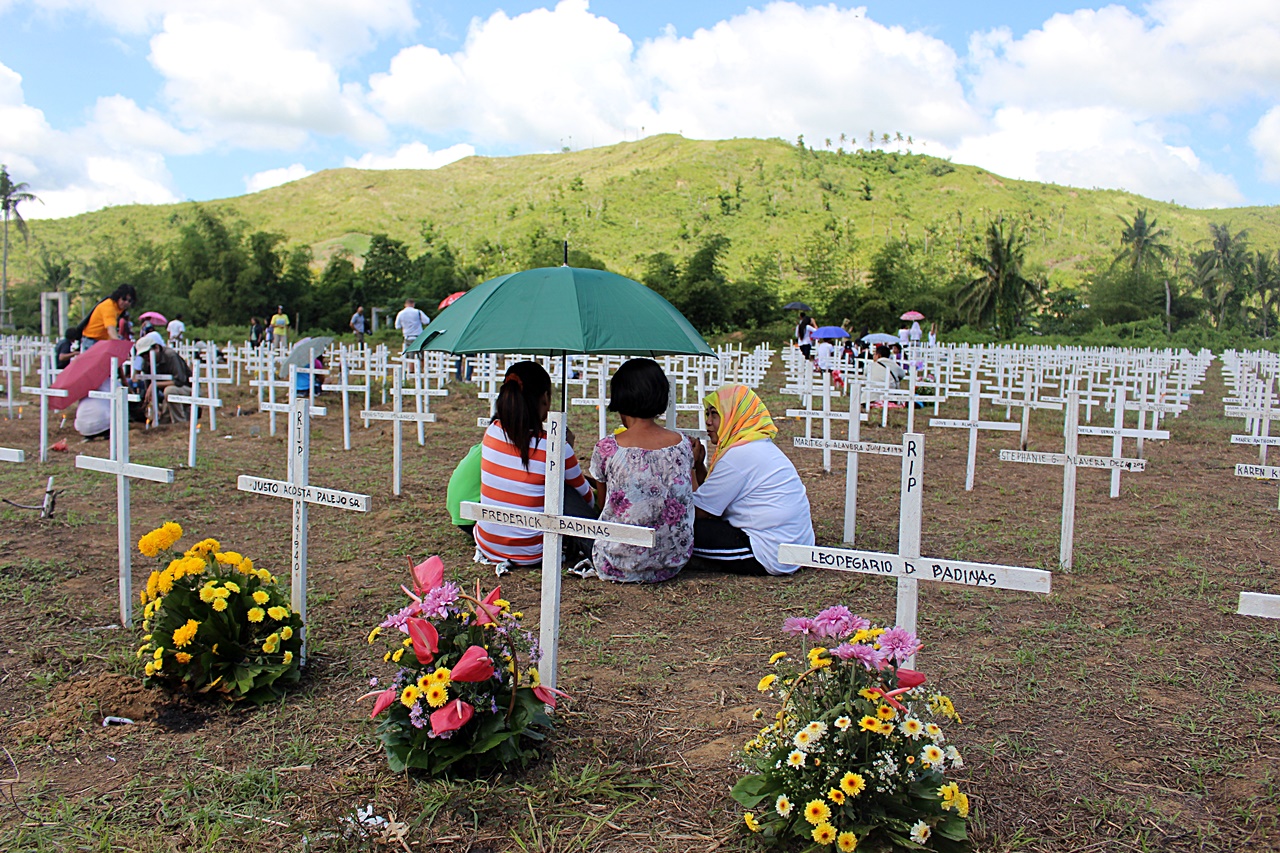
For bereaved families, a confirmed resting place can offer somewhere specific to bring flowers, light a candle, and speak a loved one’s name.
Identification cannot erase the loss or guarantee an end to grief. But it may resolve an uncertainty that has endured for nearly 13 years—and help ensure that those who died are remembered as individuals, with names, families, and lives.