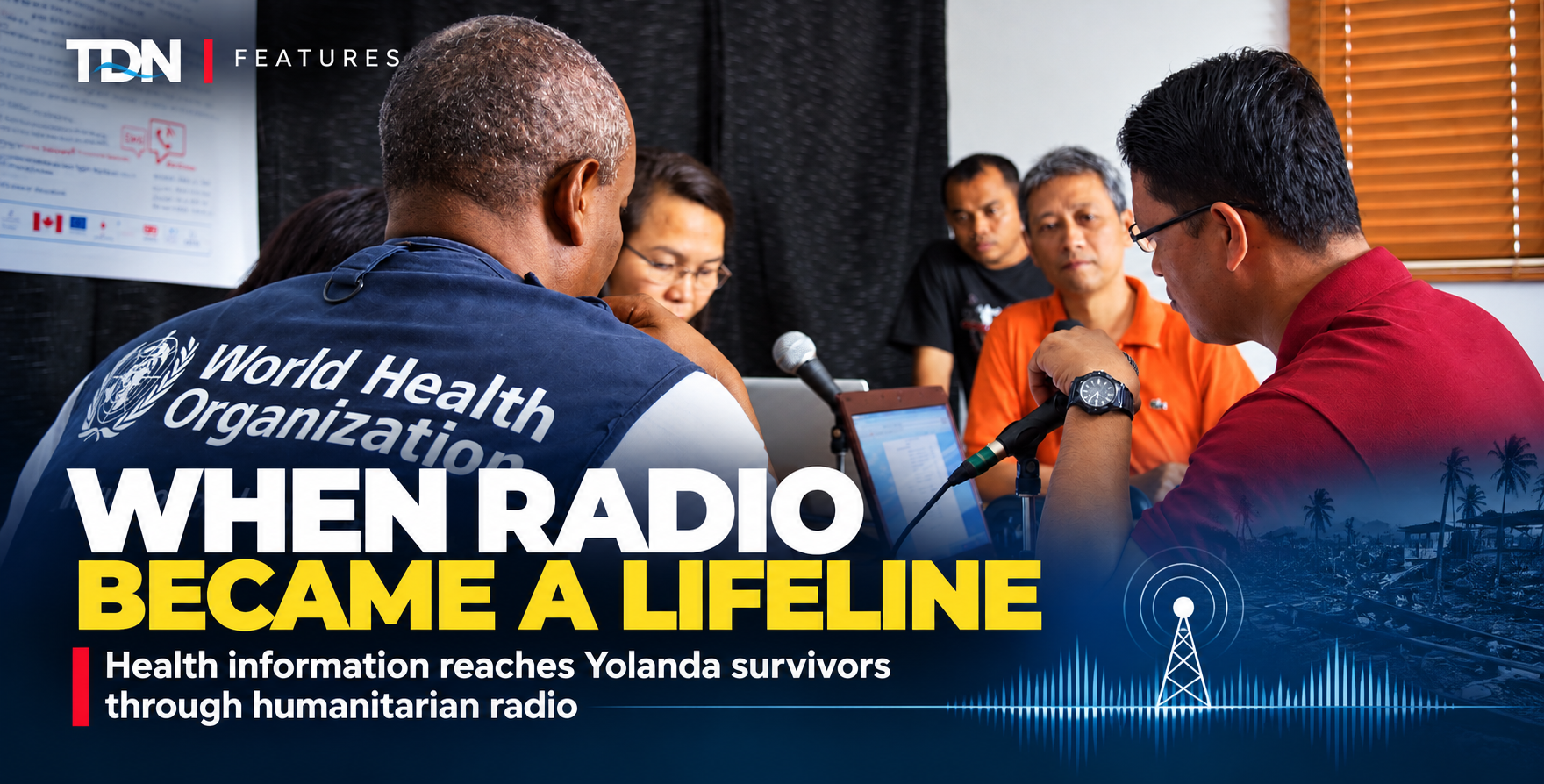
TACLOBAN CITY — In the difficult months following Super Typhoon Yolanda, when communities across Eastern Visayas were struggling to recover from widespread destruction, access to reliable information became as essential as the delivery of food, water, shelter, and medical assistance.
For thousands of survivors, radio remained one of the most accessible sources of information, particularly in communities where communication infrastructure had been severely damaged.
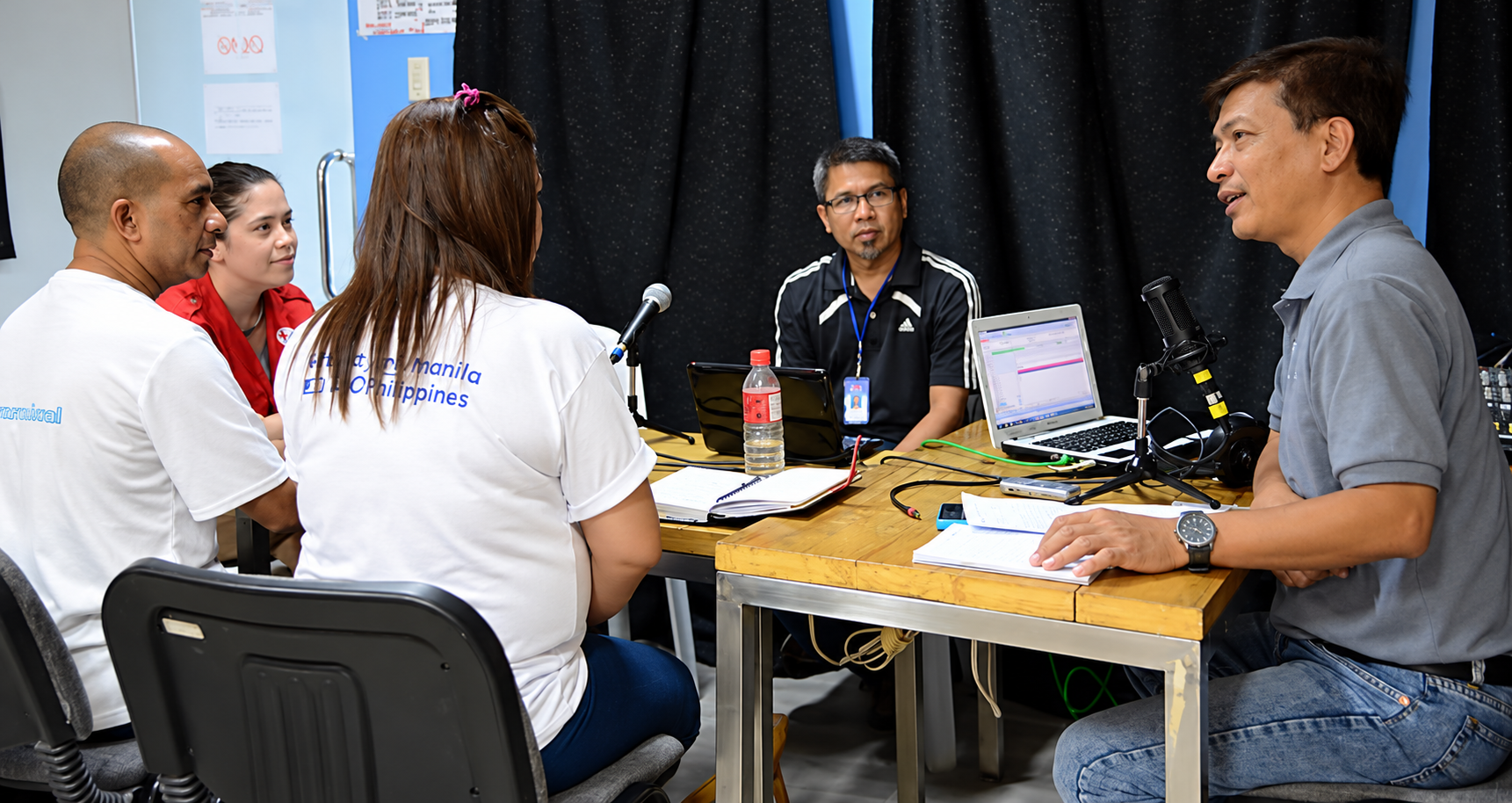
Recognizing the importance of keeping affected communities informed, the United Nations Office for the Coordination of Humanitarian Affairs (UNOCHA), through its Public Information section, in cooperation with humanitarian partners, facilitated a weekly one-hour public affairs program called “Kasugbong han Komunidad.”
The program's pilot episode aired on January 25, 2014, over Radyo Abante 98.7 FM, with local radio journalist Rowel Montes serving as host and moderator.
One of its first major discussions focused on public health concerns, with representatives of the Health Cluster providing updates on communicable diseases, ongoing interventions, and the delivery of health services in Yolanda-affected communities.
Bringing health information closer to survivors
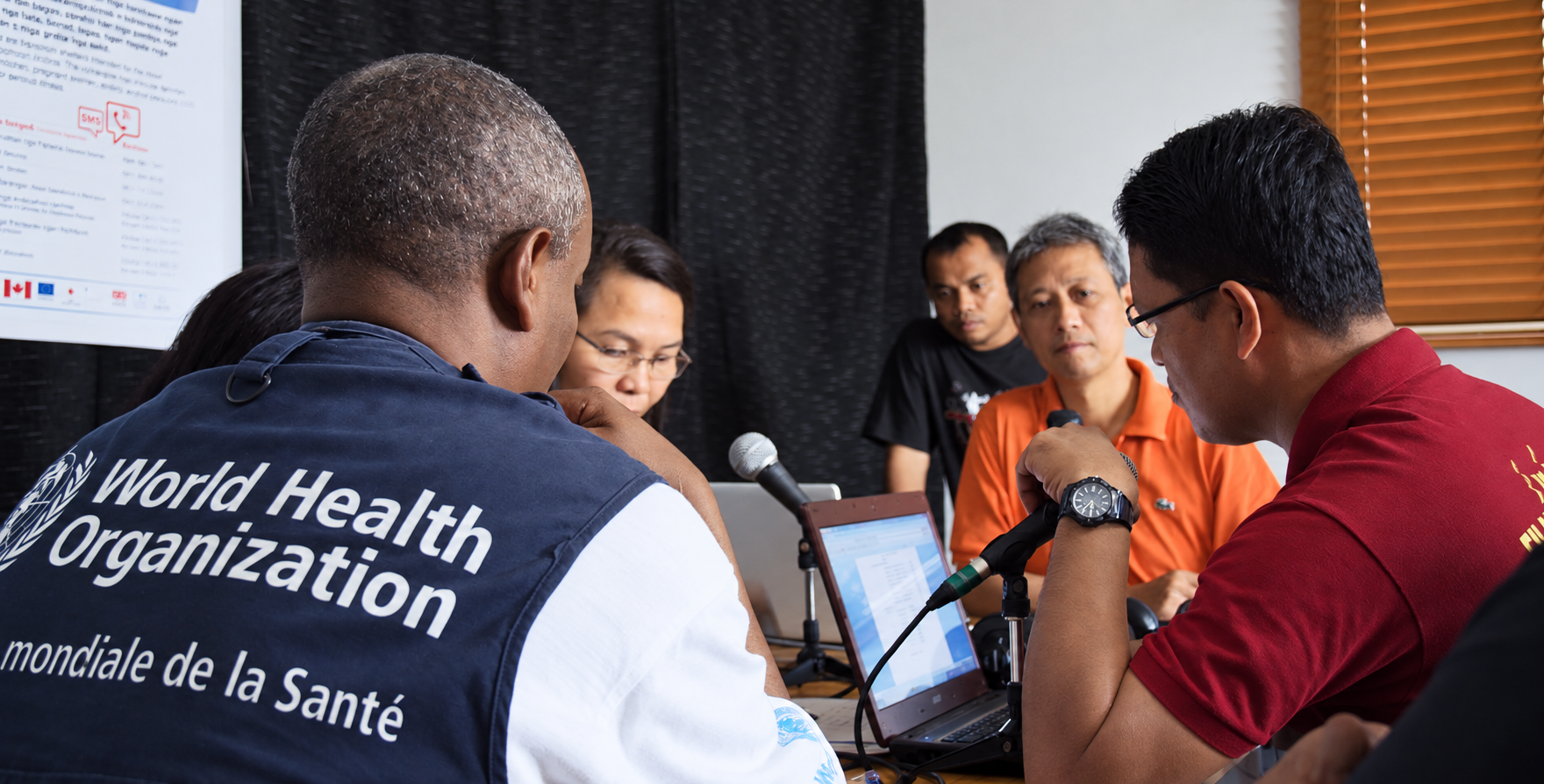
The pilot episode featured representatives from the Department of Health (DOH) Regional Office VIII, including Dr. Carmen Garado, Leonido P. Olobia, Dr. Verna M. Fernandez, and Boyd Roderick Cerro, as well as Dr. Solomon Woldetsadik Fisseha of the World Health Organization (WHO).
During the discussion, the Health Cluster representatives explained their respective responsibilities, the interventions being implemented, and the status of health services, particularly in communities heavily affected by the typhoon.
Among the concerns raised were reports of communicable diseases, including dengue and chikungunya, as health authorities continued monitoring potential public health threats in the aftermath of the disaster.
DOH officials discussed findings from rapid diagnostic tests indicating positive dengue cases in several typhoon-affected areas. Recent cases of dengue and chikungunya were also reported in Tacloban City and the municipalities of Babatngon and Sta. Fe in Leyte.
The discussion also covered acute hemorrhagic fever and other health concerns requiring continued surveillance, while emphasizing the importance of preventive measures and public awareness.
The health officials used the broadcast to explain disease symptoms, precautionary practices, and the importance of seeking appropriate medical attention.
Dr. Garado underscored the importance of informing the public about the ongoing health interventions and diseases being monitored, particularly measles and mosquito-borne illnesses such as dengue and chikungunya.
The broadcast provided an opportunity for health authorities to communicate directly with residents, clarify concerns, and encourage communities to participate in disease prevention efforts.
WHO recognizes community resilience
Dr. Solomon Fisseha of WHO opened his remarks by expressing appreciation for the courage and resilience demonstrated by communities affected by Yolanda.
He also recognized the cooperation of residents and the contributions of humanitarian organizations and partners in providing much-needed services and support during the emergency response.
Fisseha reported that WHO had been operating mobile clinics in Tacloban City and nearby municipalities since the early stages of the emergency relief operation.
These mobile health services were part of the broader humanitarian effort to reach communities whose access to regular health facilities had been disrupted by the typhoon.
The discussion highlighted the importance of coordinated health interventions, particularly in areas where survivors continued to face difficulties accessing medical services.
The community becomes part of the conversation
Beyond the presentations of health officials and humanitarian representatives, Kasugbong han Komunidad also opened an important communication channel for ordinary listeners.
Through the radio station's hotline, public text messages became part of the discussion.
Among the questions raised were whether free measles immunization was available, concerns about mental health and traumatic experiences following the disaster, and other health-related inquiries.
Several listeners also sent messages expressing appreciation for the introduction of the radio program.
These responses demonstrated that communities were not simply passive recipients of humanitarian information. They had questions, concerns, and experiences that deserved to be heard and addressed.
The inclusion of audience messages gave the program a more participatory character, allowing humanitarian partners and government health officials to hear directly from the people they were serving.
It also brought attention to issues that extended beyond physical injuries and infectious diseases, particularly the psychological and emotional consequences of surviving a major disaster.
Communication as part of humanitarian assistance
The launch of Kasugbong han Komunidad illustrated an important dimension of humanitarian response: information is not merely an accompanying service but an essential component of assistance.
In an emergency, people need to know where to seek medical attention, what diseases to watch out for, how to protect their families, and where to access available services.
Without reliable and accessible information, even the most extensive humanitarian interventions may fail to reach the people who need them most.
Radio, with its ability to reach communities through a familiar and accessible medium, served as an effective platform for connecting humanitarian organizations, government agencies, health professionals, and affected residents.
The program also demonstrated how local media practitioners could contribute to humanitarian coordination by translating technical information into conversations that ordinary people could understand and engage with.
For the survivors of Yolanda, the recovery process extended beyond rebuilding homes, roads, schools, and public infrastructure. It also involved restoring access to information, strengthening community connections, and ensuring that people were informed and empowered to make decisions concerning their safety and well-being.
A reminder from the Yolanda experience
Looking back at the January 25, 2014 pilot episode, the broadcast represents more than the launch of a weekly radio program.
It was an early example of humanitarian communication in action — bringing critical information to the airwaves, giving communities an opportunity to raise concerns, and making humanitarian organizations more accessible to the people they were assisting.
The questions sent by listeners about immunization, mental health, and disease prevention were reminders that communication must work both ways. Information providers must not only speak to communities; they must also listen to them.
More than a decade after Yolanda, this experience remains relevant to disaster preparedness and response in Eastern Visayas and other disaster-prone communities.
When disasters strike, communication infrastructure must be restored, information must be accessible, and communities must have meaningful opportunities to participate in decisions affecting their lives.
In times of crisis, radio can do more than deliver the news.
It can connect people to assistance, give communities a voice, and help save lives.