November 8 is my birthday. Since 2013, it has also marked the day my family left our damaged home and walked toward my in-laws’ house, searching for safety after Super Typhoon Yolanda.
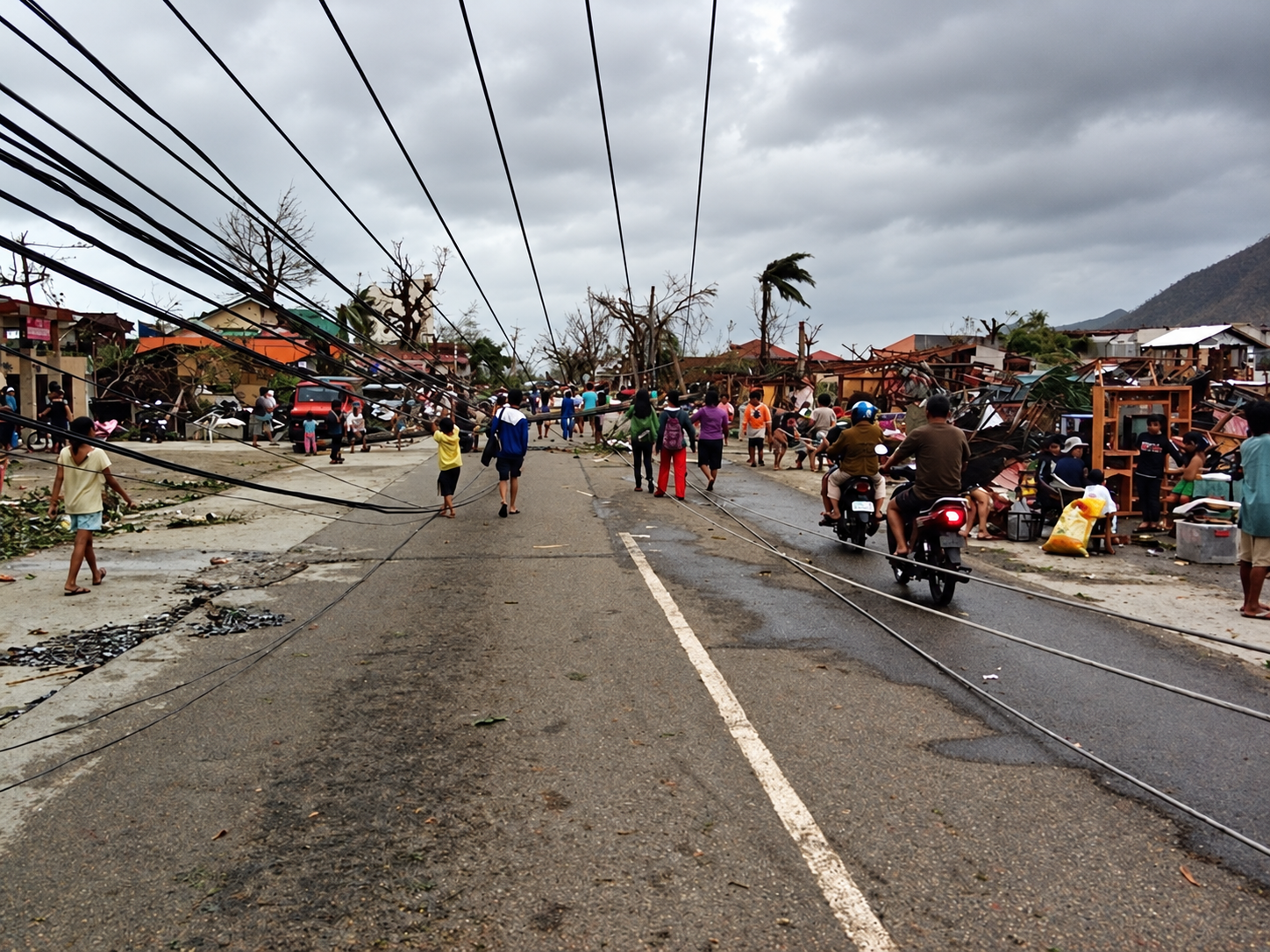
The winds had torn away almost half of our roof. Hours after the storm, we joined other survivors along Maharlika Highway in Abucay, Tacloban City.
As we evacuated, I took a photograph of the road ahead. My son Kyle, wearing blue, was walking with my daughters and my wife. Fallen utility lines hung across the highway, and damaged homes lined our route.
Today, that photograph carries a deeply personal memory. Behind the camera, I was a journalist documenting the aftermath—and a husband and father accompanying his family to safety.
We knew where we hoped to find shelter. What we did not yet know was the extent of the devastation, whether our relatives and friends were safe, or how we would begin again.
When every conversation mattered
Communication networks were down. Debris and fallen power poles obstructed roads. We could not readily call someone, check a report, or send a message to say we had survived.
The people we encountered became our immediate sources of information.
Several told me they had seen bodies scattered across downtown Tacloban. These were accounts they shared with me along the road, rather than scenes I had personally witnessed. Each account deepened my fear for people we could not reach.
In the immediate aftermath, I also witnessed people taking goods from a milk warehouse. Reports of other establishments being overwhelmed followed. Rumors about violence circulated, adding to the anxiety of families already searching for food, water, and shelter.
It was difficult to establish what was happening across the city. Information arrived in fragments, mixed with fear, confusion, and experiences from places we could not immediately visit.
Surviving that breakdown changed how I understood the value of information.
A reliable answer could help a family decide where to seek medical attention, where to find assistance, or whether to continue toward a particular destination. An unverified account could deepen fear or influence a decision without giving people a sound basis for making it.
For us, these questions had immediate consequences.
Documenting the aftermath: Maharlika Highway and Anibong
Personal documentation by Rowel C. Montes from hours after Super Typhoon Yolanda to the first few days of its aftermath. The first two photographs were taken along Maharlika Highway while my family was on our way to evacuate. The remaining four document Anibong District—the “ground zero” in Tacloban City.
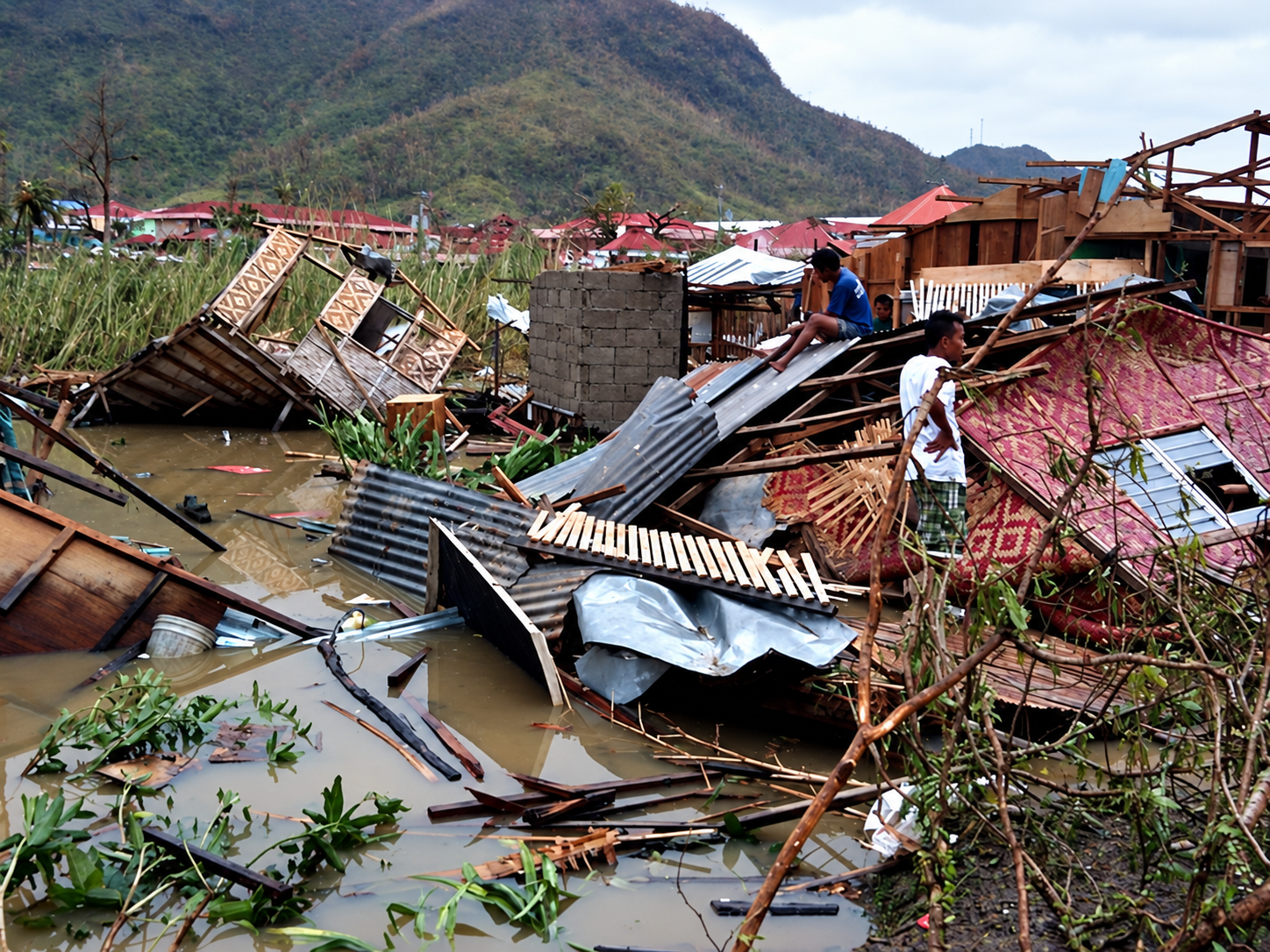
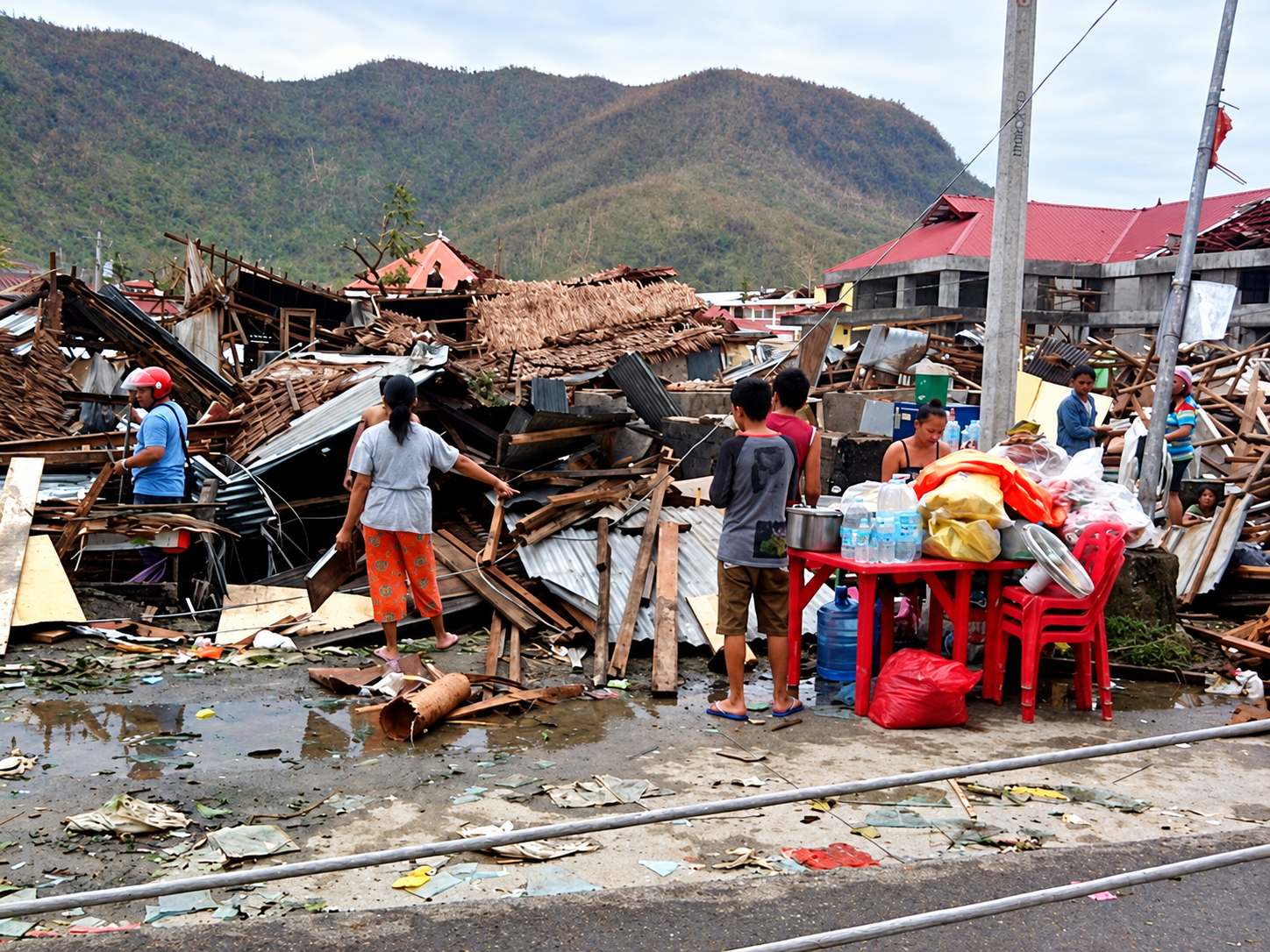
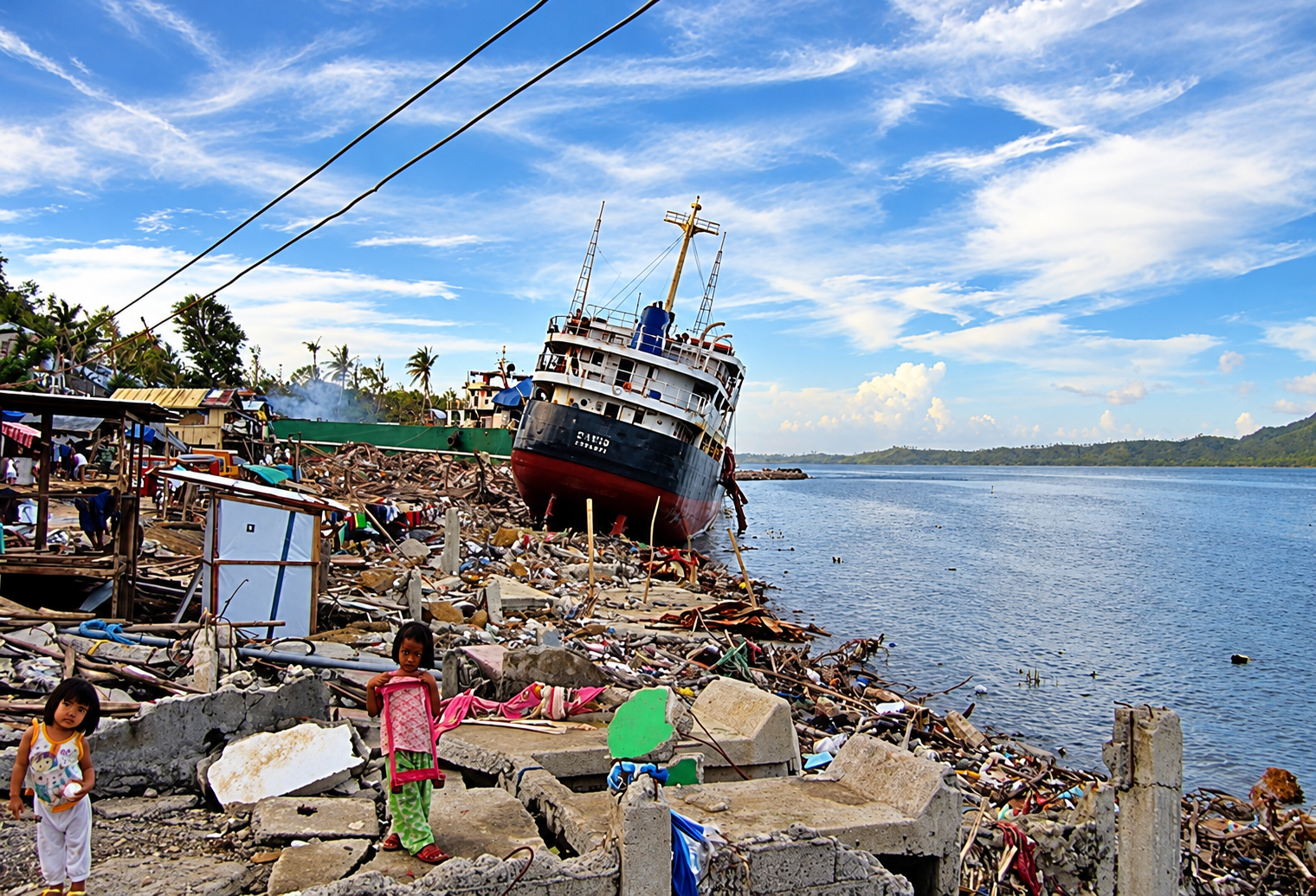
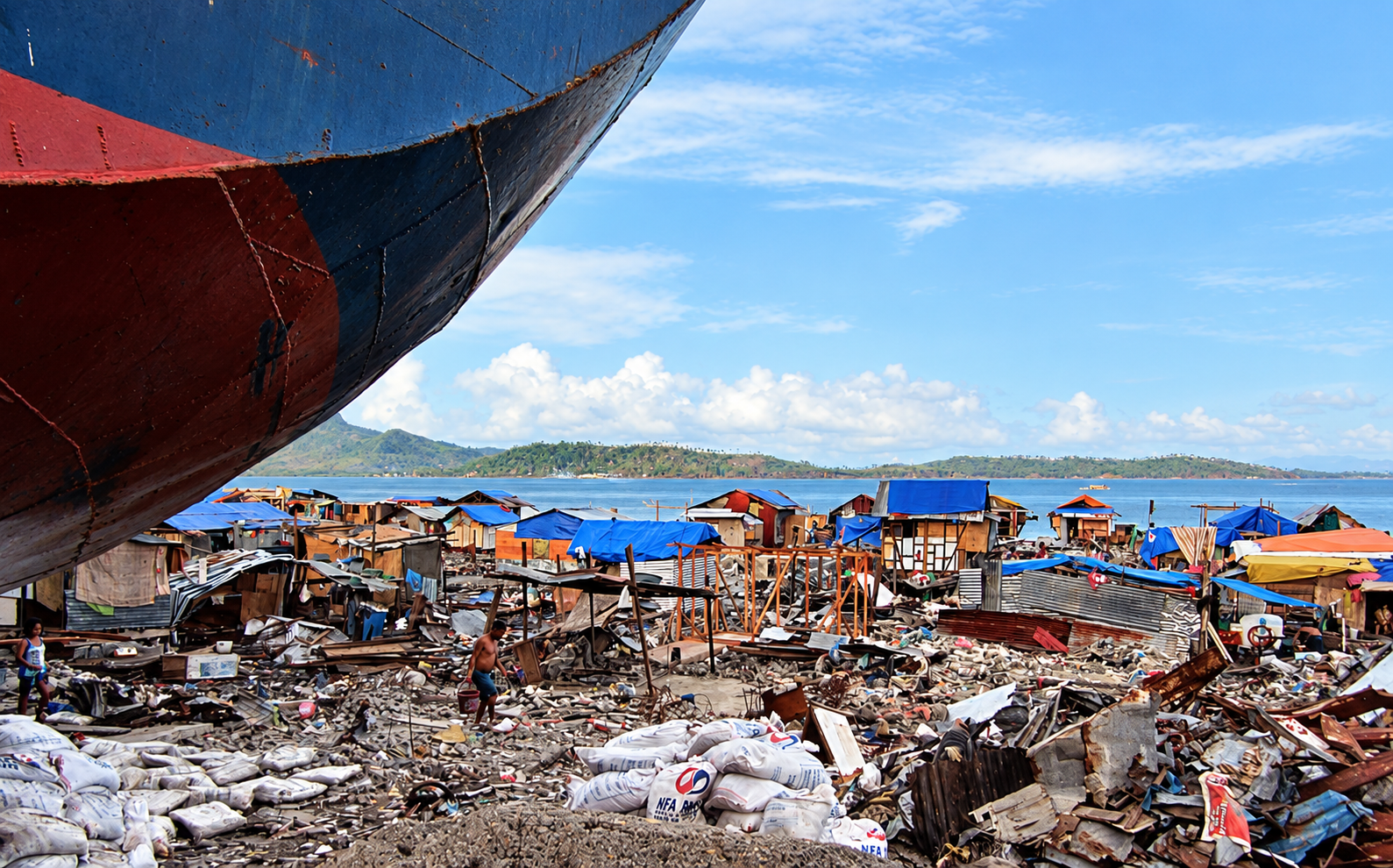
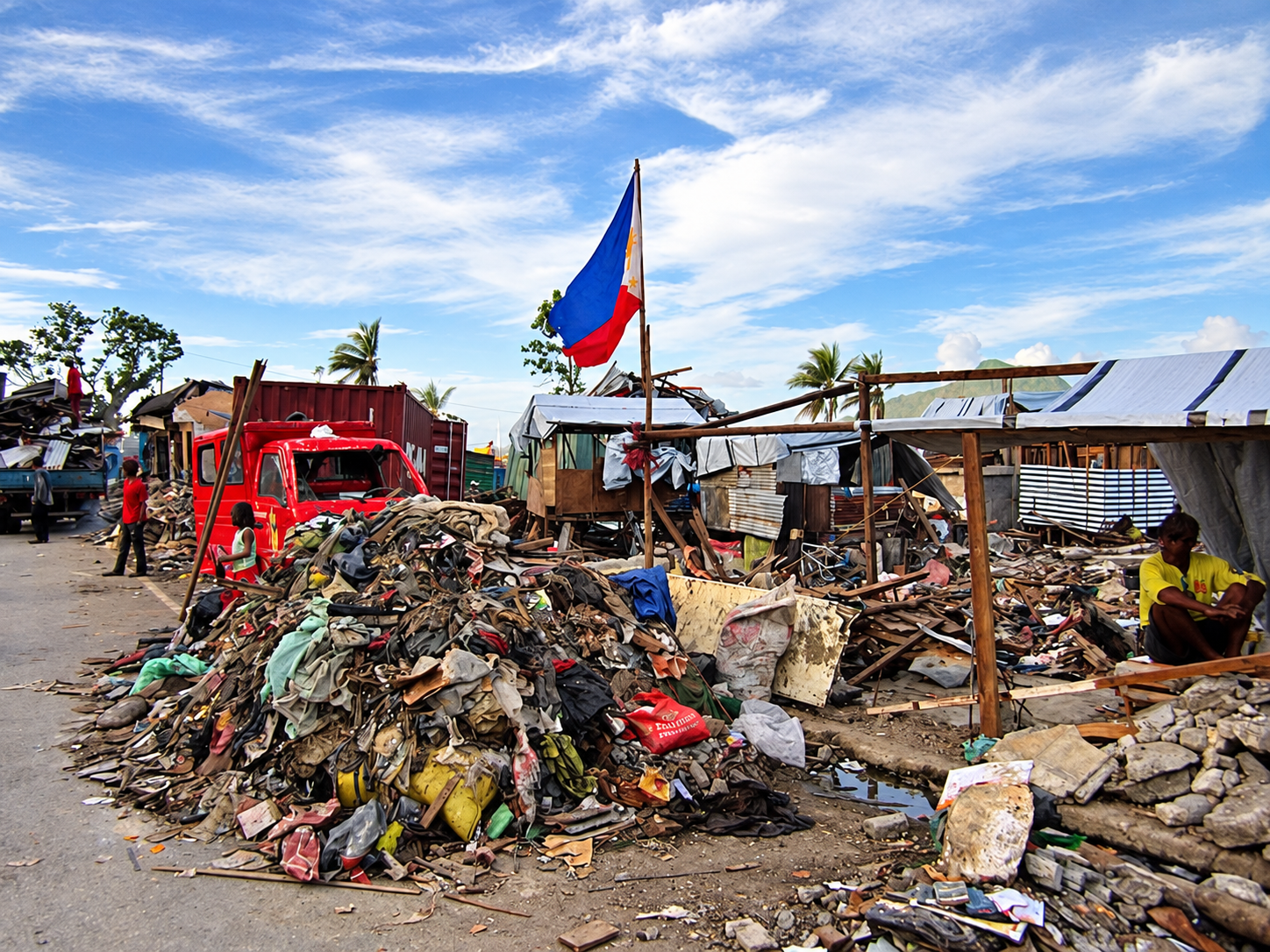
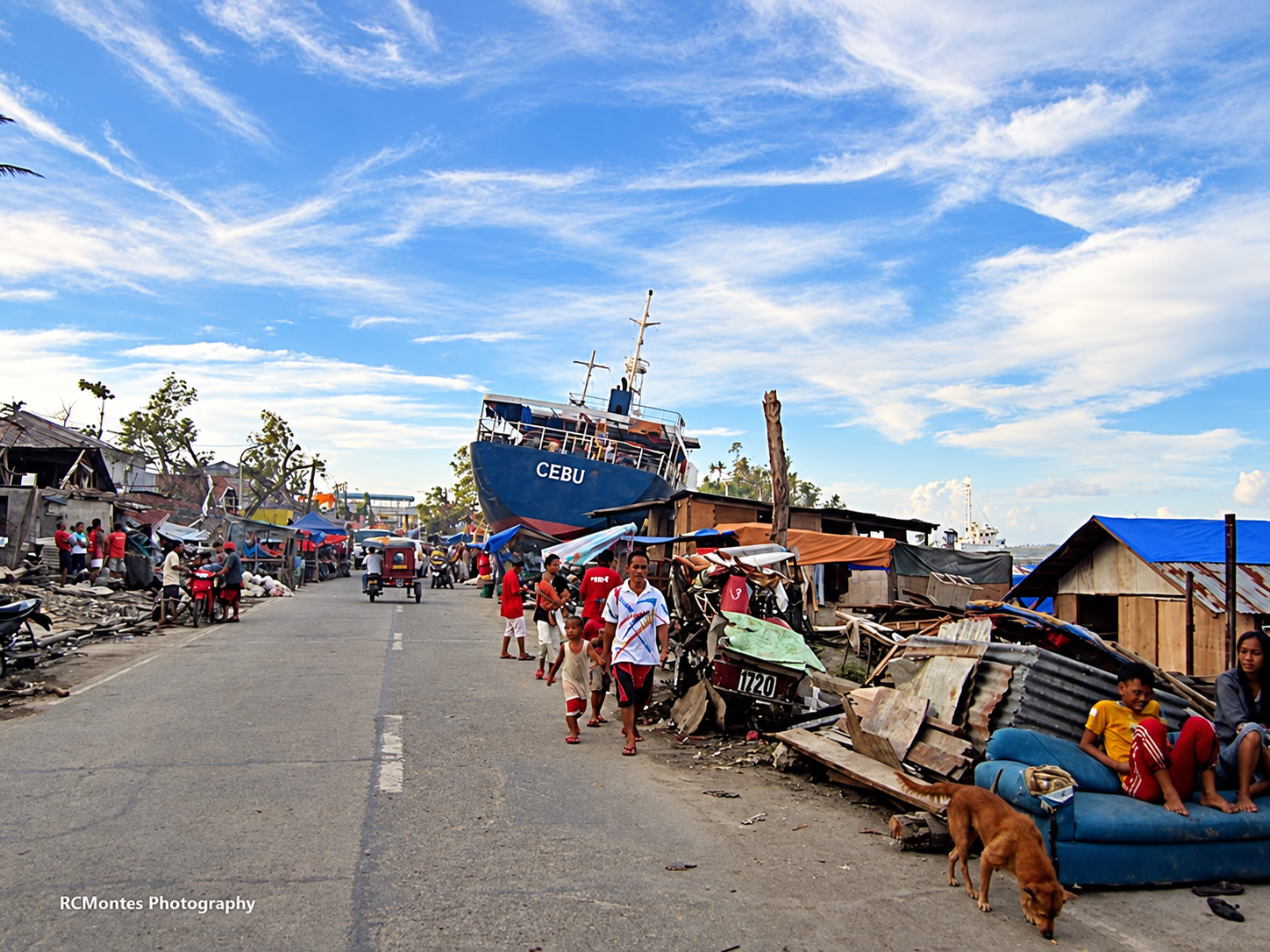
Select a photograph to view the full-size image. Photos: Rowel C. Montes.
Caption correction · October 29, 2026: The locations of the first two photographs have been corrected to Maharlika Highway, where they were taken during the family’s evacuation.
The difficult decisions after survival
In the days that followed, many families sought to leave Tacloban aboard military evacuation flights. People waited at the airport through rain and long hours, sometimes without knowing where they would stay upon arrival.
My friend the late Dol Lastilla, a barangay council member at the time, described carrying his two grandchildren while accompanying his family and his siblings' families to seek a flight out.
Their homes had been washed away. The children were traumatized, and concerns about safety strengthened their determination to leave.
Others found that reaching a safer place did not end their distress.
Fred Balbuena, former station manager of Radyo Diwa, told me that he and his family had gone to Cebu. Although they found comfort there, he remained troubled by the suffering of those he had left behind. After three days, he returned to Tacloban.
Their accounts reflected the different burdens survivors carried. Families were trying to protect their children, find somewhere to stay, and decide what to do next with limited information and resources.
Recovery began amid those unresolved questions.
Learning that communication is an aid
My subsequent engagement in humanitarian communication work with the United Nations Office for the Coordination of Humanitarian Affairs (UNOCHA) and the United Nations Population Fund (UNFPA) gave me a way to contribute.
I listened to survivors, documented their experiences, and helped communicate information about services and assistance.
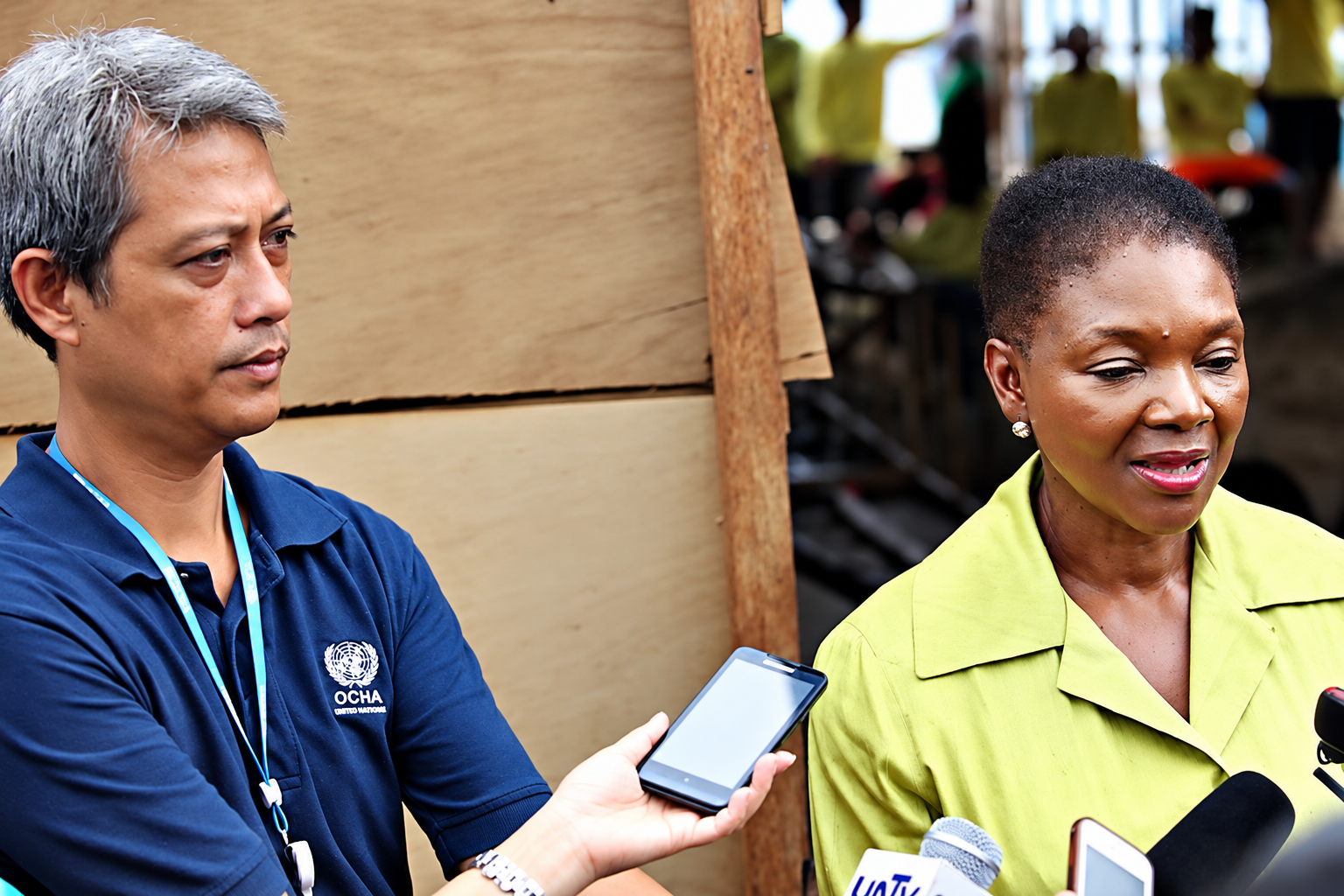
Through that work, I encountered the principles and practices promoted by the Communicating with Disaster-Affected Communities (CDAC) Network.
One message stayed with me: “Communication is aid.”
It expressed something I had begun to understand on that road in Abucay.
People affected by a disaster need timely, accurate, and accessible information. They also need ways to ask questions, explain their circumstances, and tell responders when an announced service remains beyond their reach.
This understanding profoundly influenced my journalism. It made me more attentive to whether people could use the information we provided—and whether we were listening closely enough to the questions they needed answered.
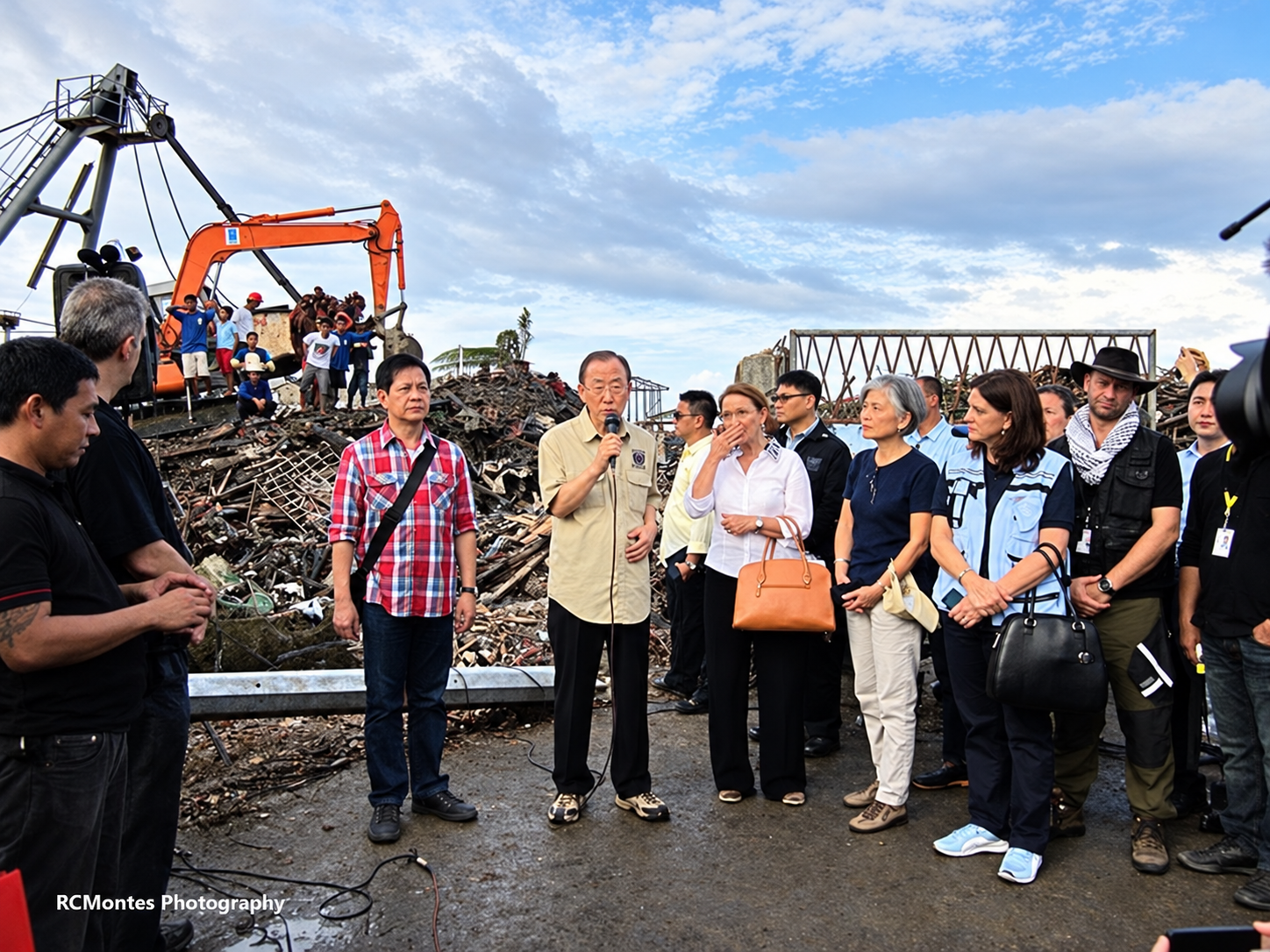
Emergency radio became an important part of that work.
On January 25, 2014, I hosted the pilot episode of Kasugbong han Komunidad, a one-hour humanitarian public affairs program aired over Radyo Abante 98.7 FM.
Facilitated by UNOCHA’s Public Information section in cooperation with humanitarian partners, the weekly program connected affected communities with people involved in the response.
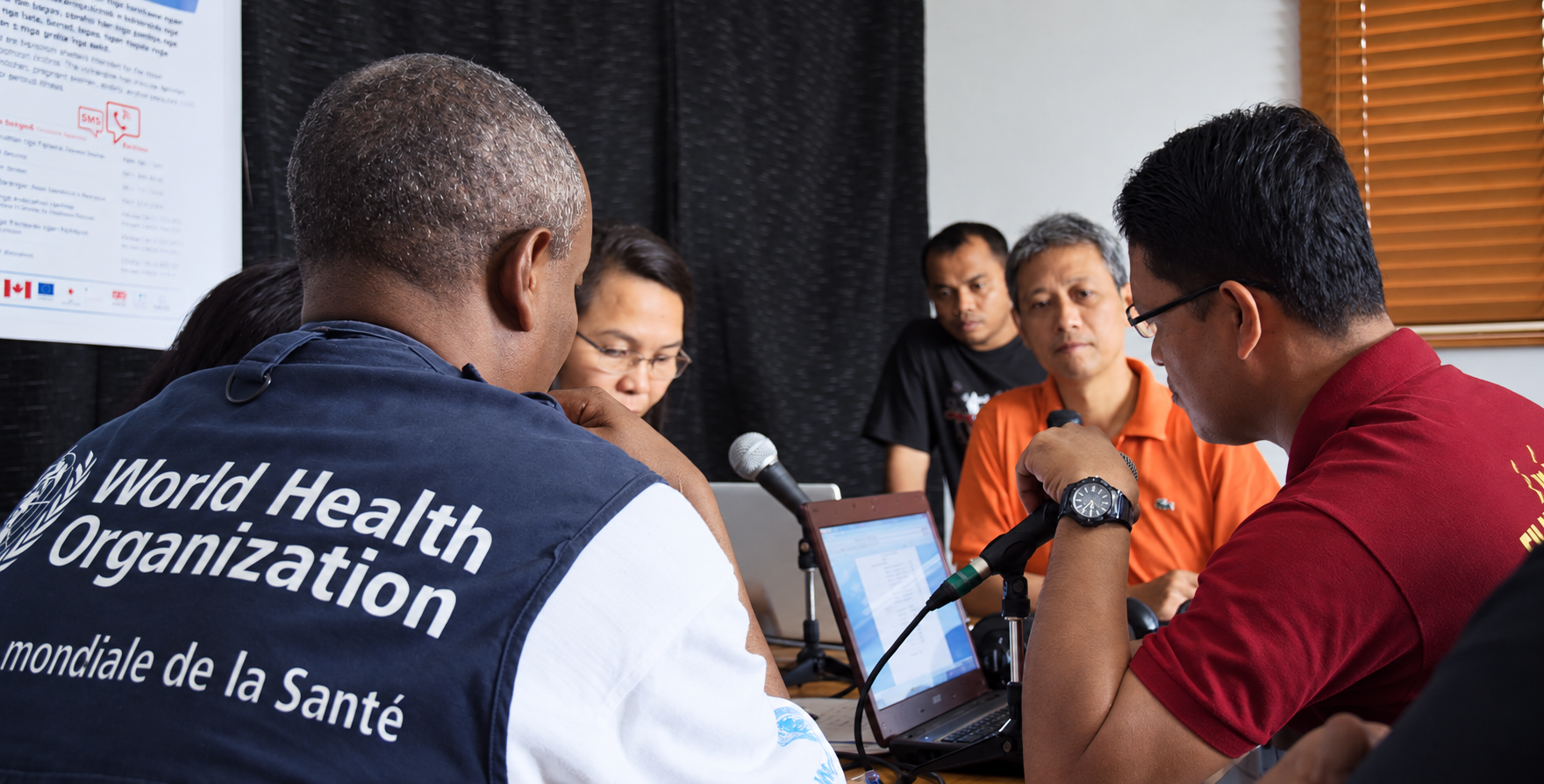
Our first episode featured representatives from the Department of Health and the World Health Organization. They discussed health services, disease prevention, and concerns about dengue, chikungunya, and measles.
Listeners sent questions through the station’s hotline. They asked about free measles immunization, mental health, and traumatic experiences. Others expressed appreciation for having a program where they could raise their concerns.
Those messages helped us understand what mattered to people trying to navigate the aftermath.
An announcement could explain that a service existed. A listener’s question could reveal what remained unclear: where to go, whether treatment was free, or how a family could obtain help.
Hosting those conversations strengthened my belief that journalism should make room for communities to speak and for responsible institutions to respond.
Survivors caring for survivors
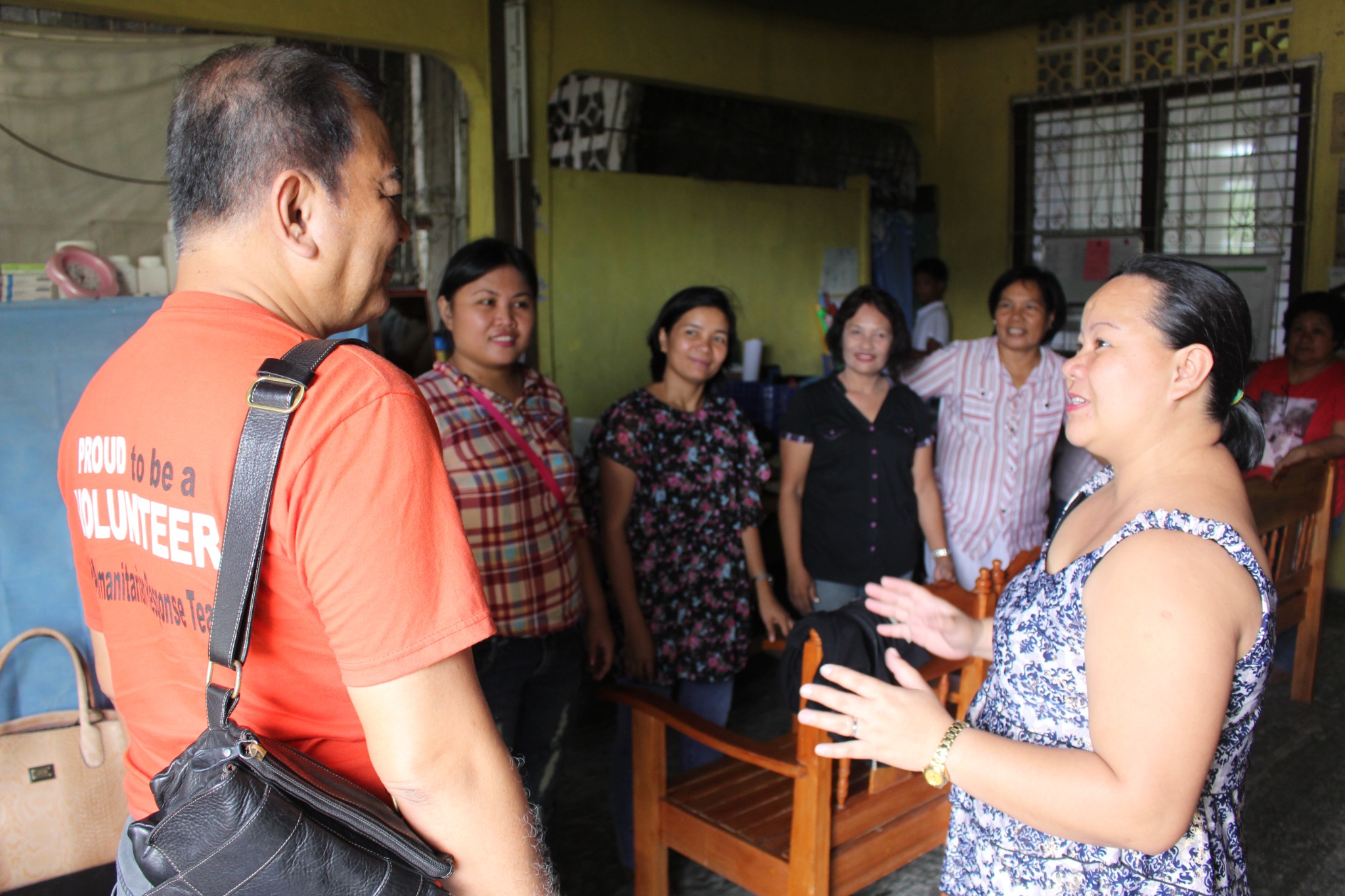
My documentation work also brought me closer to people who continued to serve others while carrying their own losses.
Joy Abuyabor, a midwife in San Joaquin, Palo, Leyte, recalled staying at her clinic because she had patients to attend to. When water rushed in and rose to the ceiling, she and others helped patients and families reach the rooftop.
After the storm, she began tending to wounded neighbors and sought supplies to continue providing care.
Joy told me that her services were free. Despite losing income, she remained because people in her community needed her. Others helped sustain her family by sharing food.
At the Emergency Maternity Unit in Palo, Dr. Cecilia Senado-Amaroto and fellow health workers helped restore access to maternity care after the destruction of health facilities.
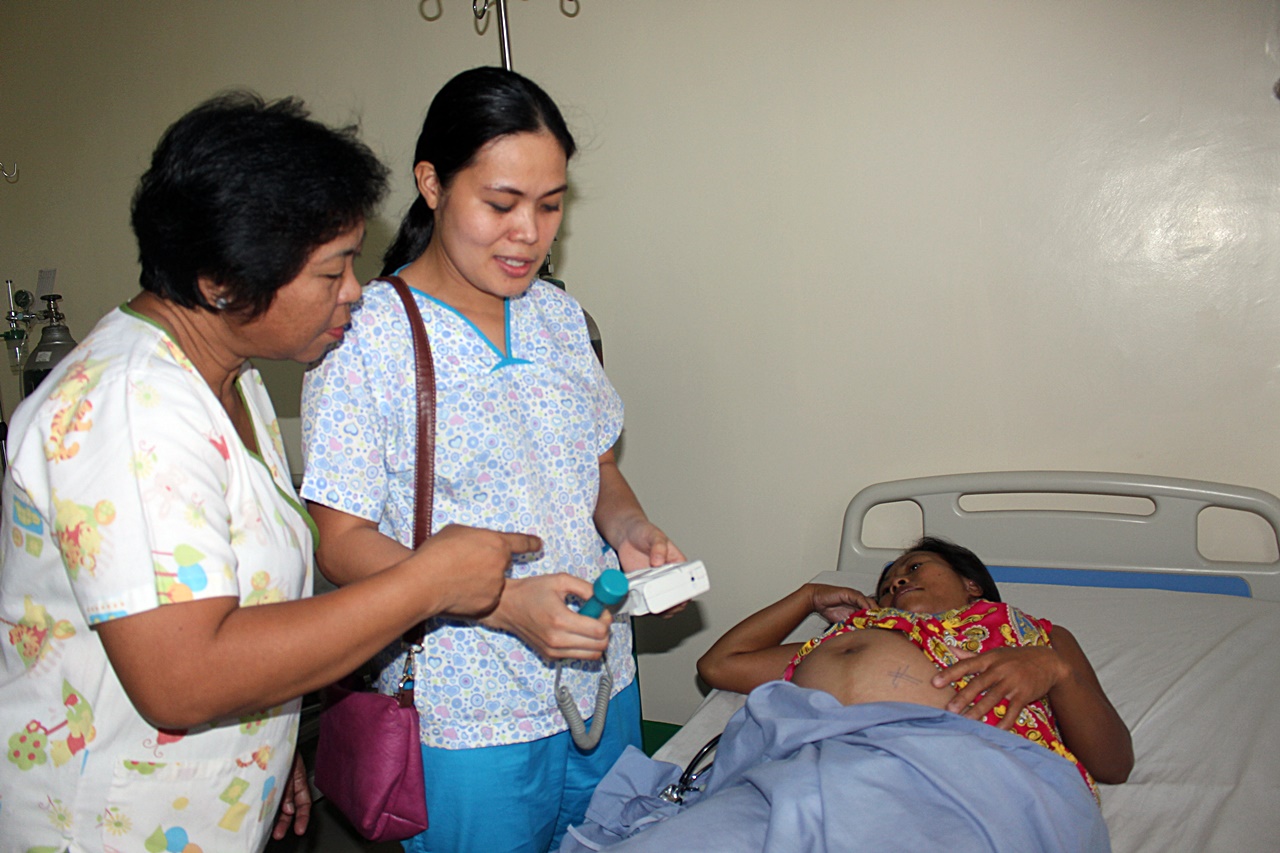
Among the mothers served was Vivian Aplaca, who delivered a baby girl by cesarean section on December 31, 2013. She described the fear of approaching childbirth after losing her home and livelihood.
Gladys Libira gave birth at the unit the following day. She had survived the storm surge while pregnant, but her family had also suffered a devastating loss: her sister’s two-week-old baby had been swept away.
Their experiences showed how relief and grief could remain closely intertwined. A safe delivery brought hope without erasing what a family had endured.
Elsewhere, survivors were trying to rebuild livelihoods and obtain clarity about their future.
In Anibong, Tacloban, Prescela Villarmenta told me she had used earnings from a cash-for-work program to help rebuild her house. She still needed livelihood assistance to support her family.
Another resident, Editho Mamita, wanted information and consultation about relocation. Families needed to know where they would live and how their basic needs would be met.
These conversations taught me to keep asking what recovery meant in people’s daily lives. A rebuilt house did not automatically restore an income. An announced plan did not resolve every concern about relocation.
Journalism needed to stay with those questions.
A lesson carried into Taklub Digital News
Years later, these experiences helped shape my decision to establish Taklub Digital News.
The commitment to community-centered journalism grew, in part, from what I had witnessed and learned after Yolanda: people need reliable information, opportunities to be heard, and sustained attention to matters affecting their lives.
That responsibility extends beyond emergencies. It applies to questions about public services, livelihoods, development, and the use of public resources.
The lesson of “communication is aid” continues to influence how I approach this work. It encourages me to ask whose concerns are missing, what information remains inaccessible, and whether a report helps people understand a decision that affects them.
I carry those questions as a journalist who once walked away from a damaged home, searching for answers.
What we must pass on
As November 8 approaches, I want to make space for fellow survivors to tell their stories, too.
Some young people were very small when Yolanda happened. Others were born afterward. They may know the disaster through photographs, lessons in school, commemorations, or conversations at home.
Our experiences can help them understand what those records cannot fully convey: the uncertainty of deciding where to go, the difficulty of finding trustworthy information, the care offered by a neighbor, and the long effort to rebuild a life.
We also have lessons to share about what remained inadequate—warnings we did not fully understand, assistance that was difficult to access, and decisions made without enough consultation.
Remembering honestly means allowing room for those experiences alongside accounts of courage and generosity.
No survivor should feel obliged to revisit something painful. Each person should decide whether, when, and how to share.
For those who are ready, I hope this series becomes an opening.
What happened to your family? Who helped you? What do you wish you had known? What would you want a young person to understand before another emergency comes?
Every November 8, I remember the birthday when my family joined others on that road to uncertainty.
I also remember the people whose stories helped change my understanding of journalism—and the responsibility I now carry to help those experiences be heard.
To my fellow survivors: What is one memory, and one lesson, from Yolanda that you want the next generation to carry forward?
You may share in Waray, Cebuano, Filipino, or English through a comment or private message to Taklub Digital News. Share only what you feel comfortable disclosing. TDN will seek your permission before including your contribution in a separate feature.
This feature opens TDN’s “Yolanda: What We Lived, What We Must Pass On” series, bringing together personal recollections and survivor voices to preserve community memory and encourage learning across generations.