Tacloban City has received recognition for good financial housekeeping and local governance. Yet its Commission on Audit reports for 2023, 2024, and 2025 also document development projects that were not implemented or completed, weaknesses in disaster-fund management, and financial-recording deficiencies.
The findings deserve examination alongside the awards.
Reports published in June 2026 identified Tacloban as a 2025 Good Financial Housekeeping (GFH) passer, citing DILG Region VIII. The city also announced its 2024 Seal of Good Local Governance (SGLG) recognition.
These distinctions establish passage under their respective assessment standards. The audit reports provide additional evidence about how the city planned, recorded, and implemented public spending.
Read together, they raise a concrete accountability issue: how effectively are identified weaknesses being corrected, and are residents receiving the projects and services that approved budgets were intended to deliver?
Three audit years, recurring implementation concerns
The development project findings show ongoing concerns about readiness and delivery, although the yearly figures cover different groups of projects.
| Audit year | COA finding | What it establishes |
|---|---|---|
| 2023 | Ten projects with ₱33.88 million in appropriations from the 20% Development Fund were not implemented and/or completed. | COA attributed the problem to the inclusion of projects in the AIP even though they were not ready for implementation. |
| 2024 | 33 of 37 development infrastructure projects, involving ₱145.69 million, remained unimplemented during the budget year. | COA reported that development-fund utilization had not shown significant improvement. |
| 2025 | 27 infrastructure projects, with an aggregate contract amount of approximately ₱266.7 million, remained incomplete; another eight projects remained unimplemented as of December 31. | COA identified inadequate planning and noncompliance with detailed engineering requirements. |
Sources: COA executive summaries for CY 2023, page v; CY 2024, page iv; and CY 2025, pages iv–v.
These amounts should not be added into a cumulative total. They involve different measures—appropriations and contract values—and the documents reviewed do not establish whether individual projects overlap across years.
Nor does the comparison alone establish that performance worsened by a particular percentage. The 2025 finding covers an infrastructure-contract group that has not been shown to be identical to the development-fund groups examined in earlier years.
What the reports do establish is that project readiness and implementation remained audit concerns across three consecutive years.
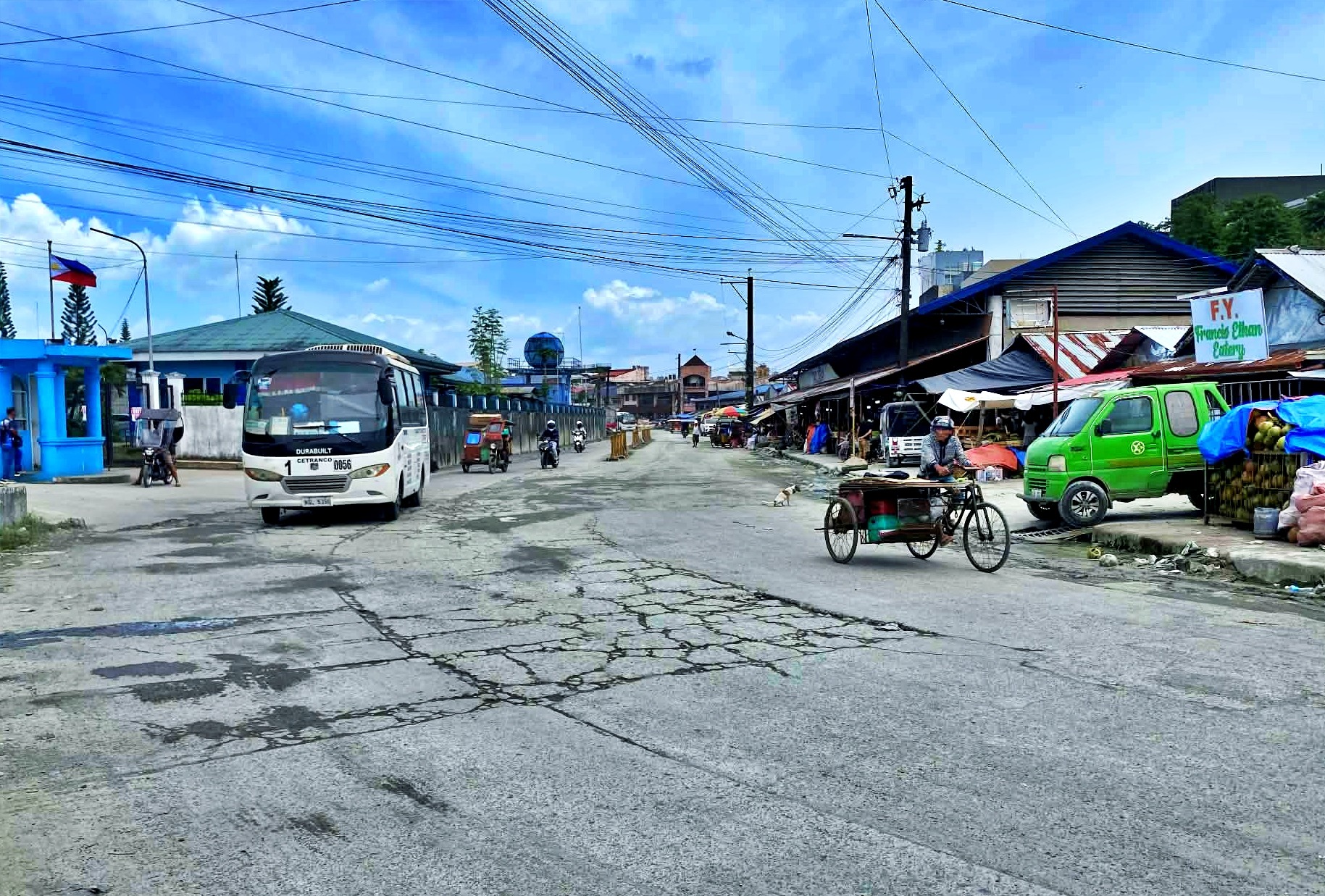
The warning began before construction
In 2023, COA recommended that the mayor, as City Development Council chair, work through the planning office to include only projects that could be implemented promptly during the budget year, or reprogram those that could no longer proceed.
It also recommended assigning an independent office to monitor and inspect implementation.
In 2024, auditors again called for the inclusion of development-fund projects whose procurement or implementation preparations were substantially completed.
The 2025 recommendations became more specific: screen projects for feasibility, resolve road right-of-way and private land concerns, complete required plans, and withhold contract awards where unresolved site issues persisted.
This sequence points to a management problem that begins before a contractor starts work. A project can receive an allocation while still facing obstacles that prevent delivery.
The public-interest test is therefore whether feasibility, land access, engineering requirements, and procurement readiness were established before commitments were made.
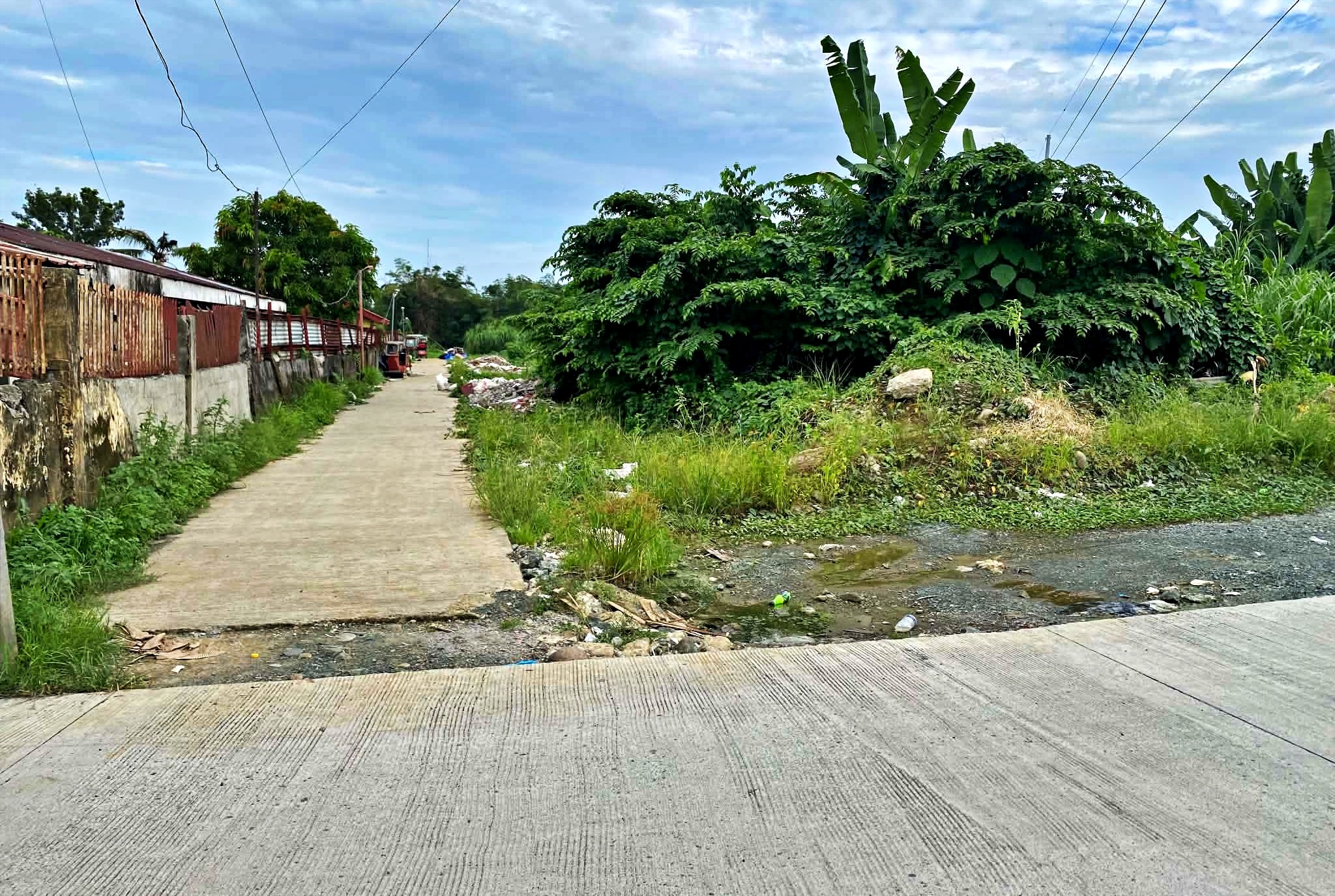
Disaster funds: concerns about spending and planning
The disaster-fund findings also require careful distinction.
For 2023, COA reported that ₱594,183 in CDRRM Office operating expenses had been improperly charged against the Local Disaster Risk Reduction and Management Fund. It separately identified ₱11.5 million in food and non-food assistance purchases paid from the fund, without the required documents to justify the charges.
These were findings about funding eligibility and supporting documentation. They do not, by themselves, establish that the purchased assistance was fictitious or that money was stolen.
For 2024, the full report recorded that approximately ₱18.13 million of the ₱95.75 million current-year LDRRMF appropriation was utilized—about 19%.
It also identified ₱70.986 million in unutilized continuing capital-outlay appropriations from 2023 and earlier years. These were not included in the disaster-fund investment plan with sufficient detail to identify the intended programs, activities, and projects.
According to the report, the CDRRM officer explained that the accounting department had not provided the details of the unexpended capital outlay. The CDRRMO agreed to prepare a comprehensive plan covering the continuing appropriations.
That explanation identifies an important coordination issue. Funds carried forward from previous years need to remain visible to the offices responsible for planning and implementation.
For 2025, COA reported utilization of:
19.59% of the approximately ₱114 million current-year LDRRMF appropriation; and
19.81% of the approximately ₱189 million disaster Special Trust Fund.
Auditors cited time constraints, inadequate monitoring, and insufficient regular review of implementation.
The current-year and trust-fund percentages describe separate funding pools. They should not be combined or treated as interchangeable.
Low utilization alone is also insufficient to judge disaster readiness: some resources are maintained for contingencies. Here, the stronger basis for scrutiny is COA’s accompanying finding that weaknesses in planning and implementation prevented the fund’s purpose from being fully attained.
Why recognition and audit findings can coexist
DILG’s published explanation of the 2025 GFH assessment identifies an unmodified or qualified COA opinion, together with Full Disclosure Policy compliance, as principal requirements.
The three Tacloban audit documents reviewed each report a qualified opinion on the city’s financial statements.
A qualified opinion is therefore not automatically incompatible with GFH recognition. But the recognition does not resolve the specific deficiencies described in an audit report.
The broader SGLG assessment covers multiple governance areas. Establishing how Tacloban’s audit findings were considered would require its actual assessment records, applicable indicators, and validation periods.
An award year should not be assumed to mean that every transaction or year-end project condition from that same calendar year had already been examined.
The city’s corrective action also belongs in the picture
The reports document substantial implementation of earlier audit recommendations:
| Reporting year | Earlier recommendations reported implemented |
|---|---|
| 2023 | 50 of 62, reported by COA as approximately 80% |
| 2024 | 28 of 32, or 87.5% |
| 2025 | 32 of 43, reported as 74% |
These results show that management acted on many recommendations. A fair analysis must acknowledge that progress.
The percentages, however, concern different sets of recommendations and cannot establish a simple improvement or deterioration trend. Their implementation also does not automatically demonstrate that all projects associated with recurring concerns were completed.
The next step is to identify which recommendations were implemented, what changed, and whether those changes produced sustained improvements.
Accountability after the award
The City Development Council’s responsibilities include monitoring and evaluating development programs, alongside preparing investment programs and prioritizing projects.
The three-year record makes that continuing responsibility central.
A useful public update would connect each flagged project with its original appropriation, contract, revised schedule, latest accomplishment, payments, and remaining obstacle. For disaster funds, it should explain how carried-over balances have been incorporated into current plans and which preparedness outputs have been delivered.
The city’s responses contained in the audit reports are part of the historical record. They do not establish the status of every flagged item as of November 2026. That requires updated records.
Tacloban’s recognitions and COA’s findings both deserve accurate reporting. Public confidence is strengthened when officials make the supporting evidence accessible and show how corrective action changes outcomes.
For residents, the lasting measure of accountable budgeting is whether planned projects are delivered, disaster resources support preparedness, and recurring weaknesses are demonstrably corrected.
Source documents: COA CY 2023 Executive Summary, pages iii–v; CY 2024 Annual Audit Report, Executive Summary pages iii–v and printed pages 96–99; CY 2025 Executive Summary, pages iii–vi.