In TDN’s observation, similarly visible and coordinated local efforts remain limited. This should invite closer attention while recognizing the work community organizations are already doing.
It is time for citizens to become more proactive and engaged in accountability issues. TDN’s Budget Watch series has raised serious concerns about how local governments manage public funds. In Tacloban City alone, the audit findings examined in the series include recurring issues across annual reports. Such patterns deserve sustained scrutiny: what corrective measures were promised, what actually changed, and why do similar concerns persist?
Tacloban also offers a concrete example of citizen action. According to PH Haiyan Advocacy, Inc.’s public record, its letters dated October 8, 2026, addressed to the mayor and vice mayor, sought updated project status reports, certified financial records, and clarification concerning COA’s CY 2024 findings involving approximately ₱216.7 million in unimplemented development projects and unutilized continuing disaster fund appropriations.
The significance lies in turning public concern into specific, documented questions. Which projects remain unfinished? What funds remain available? What caused the delays? What corrective action has been taken, and when should residents expect results?
An audit finding alone does not establish corruption. It does, however, deserve a clear response supported by records. Officials should have the opportunity to explain, and citizens should be able to assess those explanations against documented action.
For communities, delayed projects and unused disaster allocations concern services, safety, and preparedness. Accountability must therefore continue beyond the publication of an audit report.
A genuine local transparency mechanism should make approved budgets, project locations, implementation schedules, spending updates, and responses to audit findings easy to find and understand. Public consultations should produce a record of citizens’ questions, official answers, and commitments that can be checked later.
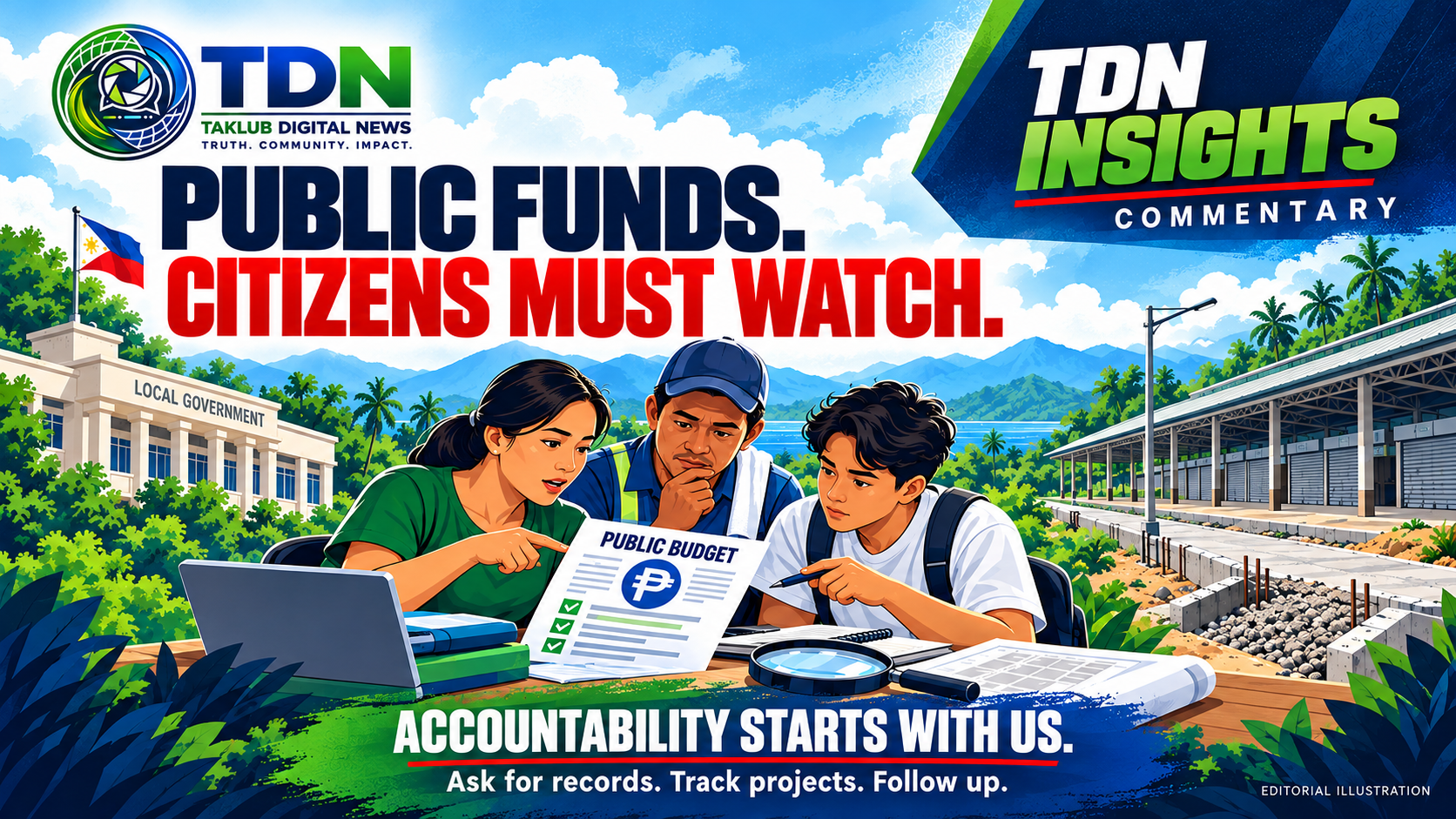
Ordinary citizens can make this work practical. Start with one project in your barangay. Request its budget and implementation status. Compare the records with observable conditions. Document concerns carefully, work with credible civic groups, and follow up on written commitments. Share verified findings while allowing room for explanations and corrections.
Local councils should also examine whether proposed projects have the land arrangements, engineering plans, and other preparations needed for implementation. Every allocation should come with a credible path toward delivering the promised service.
Eastern Visayas does not have to wait for a large coalition before beginning this work. People’s councils, community organizations, professional groups, and independent media can cooperate around specific, verifiable public concerns.
Public money deserves public attention throughout the budget cycle—from allocation to implementation, audit, and corrective action.
Which project in your community needs a clear, documented status update—and how can residents work together to obtain it?